Ledger Live: Send and Receive Crypto Operations
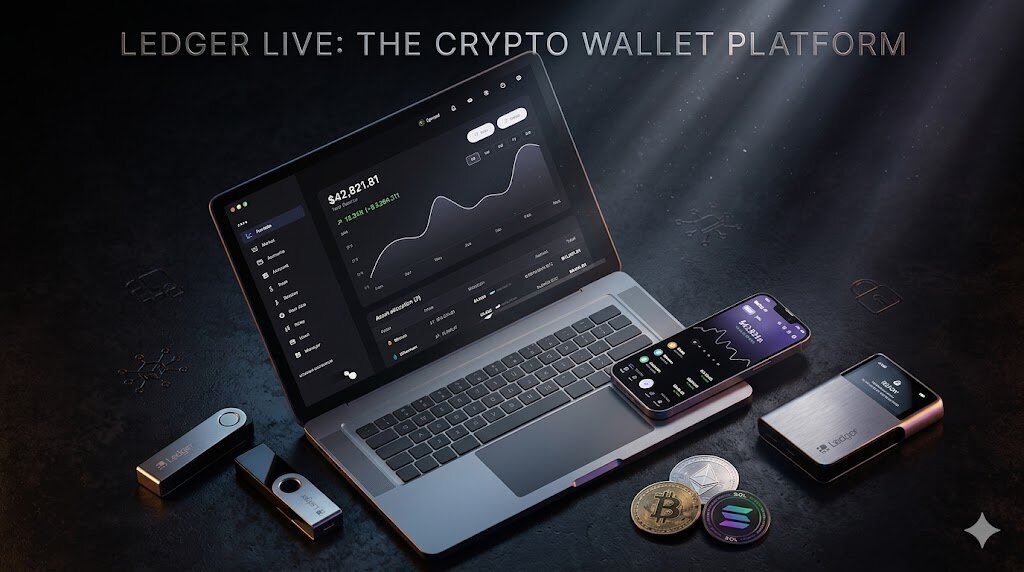
Ledger Live send and receive crypto operations represent the most fundamental wallet activities that users perform regularly across their crypto management. The Ledger Live application handles these operations through hardware-secured workflows that combine application interface convenience with the security of device-based transaction authorization, with the combined approach producing the operational foundation that wallet usage depends on.
Understanding how send and receive operations actually work within Ledger Live clarifies the security model that protects each transaction. Users sometimes treat these operations casually due to their frequency, missing the careful verification steps that the platform builds into each operation. The Ledger Live operations include multiple verification layers that catch potential manipulation, with the protective steps being particularly important for transactions involving larger amounts where mistakes have substantial consequences.
This overview examines Ledger Live send and receive operations across their primary aspects, from initial workflow steps through completion verification. The Ledger Live application coordinates these operations across various supported blockchains while maintaining consistent overall patterns that users learn once and then apply throughout their broader crypto activities across the various supported networks.
Ledger Live Send Operation Foundation
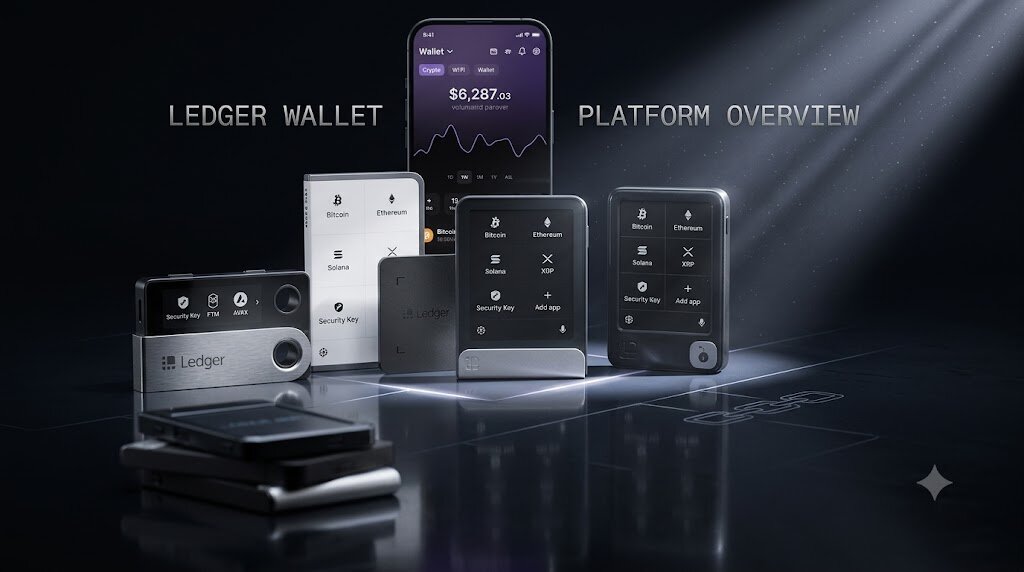
Ledger Live send operation foundation establishes how outgoing transactions actually work through the application. Understanding the foundation clarifies the broader send workflow.
Transaction Preparation Steps
Transaction preparation steps in Ledger Live send operations involve gathering all the information that transactions require. The Ledger Live application collects recipient addresses, transfer amounts, network fee selections, and various other transaction parameters before any actual transaction creation happens. Preparation also includes balance verification that catches insufficient funds before users get deep into the send workflow, providing helpful feedback rather than allowing problems to surface during final signing. The Ledger Live send preparation supports both quick simple transactions and more complex transactions with custom parameters, accommodating various user needs without imposing unnecessary friction on either category. Users completing send preparation see clear summary information that confirms what the transaction will do before any cryptographic operations begin.
Address Entry Methods
Address entry methods in Ledger Live send operations include several practical options for specifying recipients. The Ledger Live application accepts addresses through manual typing, clipboard pasting, QR code scanning on mobile, and various other input methods that match user preferences and situational needs. Each method has different convenience and accuracy characteristics, with clipboard pasting being common but potentially affected by clipboard hijacking malware that can substitute addresses. QR code scanning on mobile devices reduces typing errors while introducing different potential issues, with no single method being universally optimal across all situations. The Ledger Live address entry
flexibility lets users choose appropriate methods while still maintaining the verification steps that catch substitution attacks regardless of which input method users employ.
Amount and Fee Configuration
Amount and fee configuration in Ledger Live send operations gives users control over both transfer size and execution priority. The Ledger Live application lets users specify exact transfer amounts in either the asset's native units or fiat equivalents, with conversion handling happening automatically. Network fee configuration includes multiple tier options with different speeds and costs, plus advanced settings for users who want custom fee values beyond the preset options. The fee handling adapts to each blockchain's specific fee mechanics, with EIP-1559 networks showing base fee plus priority fee components while other networks use their own structures. Understanding the configuration options helps users optimize their transactions based on urgency rather than always accepting defaults that might not match their specific situational priorities.
| Ledger Live Send | Configuration | Purpose Element |
|---|---|---|
| Recipient address | User input | Transaction destination |
| Transfer amount | User input | Value to send |
| Network fee | User selection | Transaction priority |
| Memo field | Optional input | Reference notes |
| Transaction speed | Fee-dependent | Execution timing |
| Confirmation count | Network-determined | Settlement validation |
| Asset selection | User choice | Which crypto to send |
| Source account | User selection | Sending account |
Ledger Live Send Verification Process

Ledger Live send verification process protects users through multiple checkpoints before transactions execute. Understanding verification clarifies the security architecture.
Application-Side Review
Application-side review in Ledger Live send operations shows users transaction details before they proceed to hardware signing. The Ledger Live application displays the prepared transaction with recipient address, amount, network fee, and various other relevant details in a clear summary format. Users review this summary to confirm everything matches their intentions before authorizing the next step. The application-side review catches user errors like wrong amounts or unintended recipients, with the explicit review step providing the opportunity to catch mistakes before they become irreversible blockchain transactions. The Ledger Live review approach treats verification as fundamental rather than optional, ensuring users see complete transaction information rather than just confirming abstract intent to send.
Hardware Device Confirmation
Hardware device confirmation in Ledger Live send operations represents the critical security verification step. The Ledger Live application sends transaction details to the connected hardware device, which displays the same information on its own screen for independent user verification. The device display shows transaction details directly from the transaction data being signed rather than from the host computer's display, bypassing any potential manipulation that affected the application interface. Users verify that device-displayed addresses match what they intended and confirm by pressing the device's physical buttons to authorize signing. The hardware verification represents the trusted reference point that catches manipulation regardless of how it reached the user's transaction, with the on-device verification being the security backbone of the entire send process.
Network Broadcasting
Network broadcasting in Ledger Live send operations happens after the hardware device signs the transaction. The Ledger Live application broadcasts the signed transaction to the appropriate blockchain network, with the network nodes then propagating the transaction across the broader network for inclusion in future blocks. Broadcasting happens automatically once signing completes, with users seeing confirmation that the transaction successfully entered the network. The Ledger Live broadcasting handles the technical aspects of network communication transparently, letting users focus on their intended activity rather than network propagation mechanics. Different blockchains have different propagation characteristics, with broadcasting completing within seconds across most major networks under normal conditions.
Ledger Live Receive Operation Foundation
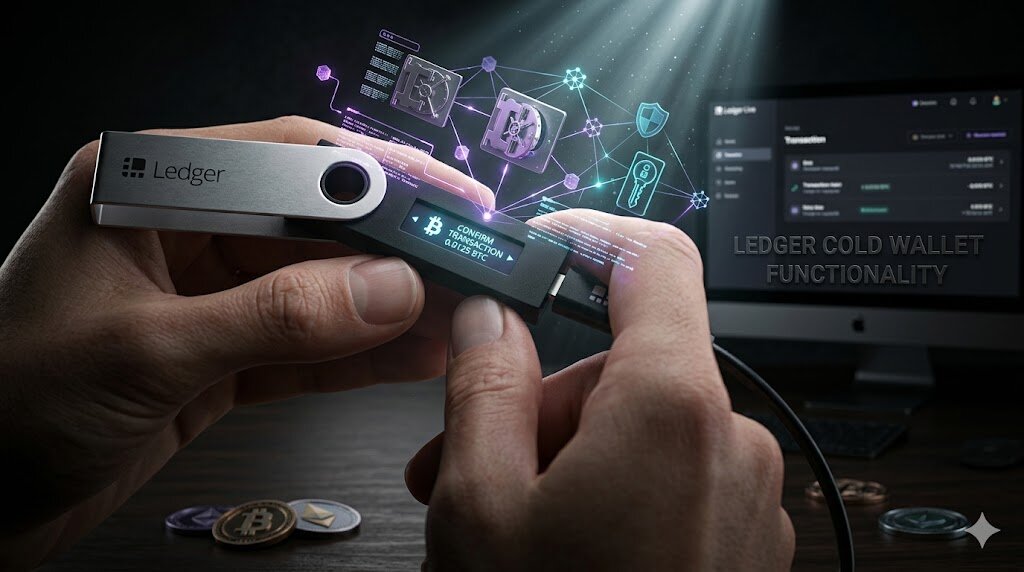
Ledger Live receive operation foundation handles incoming transaction support through the application. Understanding the foundation clarifies how receiving actually works.
Address Generation Mechanics
Address generation mechanics in Ledger Live receive operations produce blockchain addresses for incoming transactions. The Ledger Live application requests address generation from the connected hardware device, with the device performing the cryptographic operations internally and returning the resulting address. Each blockchain uses its own address generation algorithm derived from the recovery phrase through standard hierarchical deterministic algorithms. The Ledger Live address generation produces consistent addresses given the same recovery phrase and derivation parameters, meaning the same accounts produce the same addresses across application reinstallations
or replacement devices. The mechanics work transparently for users who simply request receive addresses through the interface, with the technical derivation details happening behind the user-facing operations.
Address Display Formats
Address display formats in Ledger Live receive operations accommodate various ways that senders might need to handle the address. The Ledger Live application shows addresses in both text format and QR code format, supporting both manual address communication and scan-based sharing. Text format displays let users copy addresses for sending through various channels, while QR codes enable visual sharing that mobile devices can scan directly. The dual format approach matches the various practical situations where users actually receive crypto, with different counterparties preferring different sharing methods. The Ledger Live address display also includes account identification information helping users distinguish addresses across multiple accounts when they maintain several accounts on the same blockchain.
Address Verification on Device
Address verification on device in Ledger Live receive operations protects against address substitution attacks. The Ledger Live application supports requesting that the hardware device display the receive address on its own screen, letting users verify that the displayed address matches what their computer shows. The verification catches scenarios where malware might attempt to substitute addresses on the computer display, with the device-displayed address being trustworthy regardless of computer compromise. Users completing receive operations for substantial incoming transactions particularly benefit from device verification, with the few seconds required for verification protecting against losses that displayed-but-substituted addresses would create through incoming transactions going to attacker-controlled addresses rather than intended user accounts.
Ledger Live Receive Workflow Patterns

Ledger Live receive workflow patterns cover how users actually use receive operations across various situations. Understanding workflow patterns clarifies practical receive usage.
Standard Receive Sharing
Standard receive sharing in Ledger Live workflow happens when users want to receive crypto from various counterparties. The Ledger Live application generates fresh addresses for receive requests on blockchains where address rotation is standard practice like Bitcoin. Users copy or share the generated addresses with senders through whatever communication channels they prefer, with the senders then using the shared addresses for outgoing transactions toward the receiver. The standard workflow handles most common receive scenarios efficiently, with the fresh address generation providing privacy benefits while still supporting the actual receiving function. Static-address blockchains like Ethereum use single addresses per account regardless of receive request count, with the application showing the same address each time users access receive functions for the same Ethereum account.
QR Code Scanning Workflows
QR code scanning workflows in Ledger Live receive operations support situations where senders use mobile devices. The Ledger Live receive interface displays QR codes that mobile senders can scan to capture addresses without manual transcription, eliminating typing errors that complex crypto addresses sometimes introduce. The QR code workflow particularly benefits in-person crypto transfers where both parties are physically present, with mobile-to-mobile or screen-to-mobile scanning being practical alternatives to verbal address exchange or text messaging. Mobile Ledger Live versions can also scan QR codes when users are sending crypto, completing the symmetric workflow that supports both giving and
receiving address information through QR codes throughout the broader transaction process.
Receive Verification Steps
Receive verification steps in Ledger Live operations include both immediate verification during address sharing and ongoing monitoring as expected transactions arrive. The Ledger Live application supports verifying receive addresses through hardware device display before sharing them with senders, catching potential manipulation before it could affect incoming transactions. Monitoring for incoming transactions happens automatically through the application's balance synchronization, with new transactions appearing in account history as they confirm on the blockchain. Users typically see incoming transactions within minutes of network confirmation, depending on each blockchain's specific confirmation timing and the application's sync intervals. The combined verification approach protects the entire receive process from initial address sharing through final transaction confirmation that completes the receive workflow.
Ledger Live Multi-Asset Operations
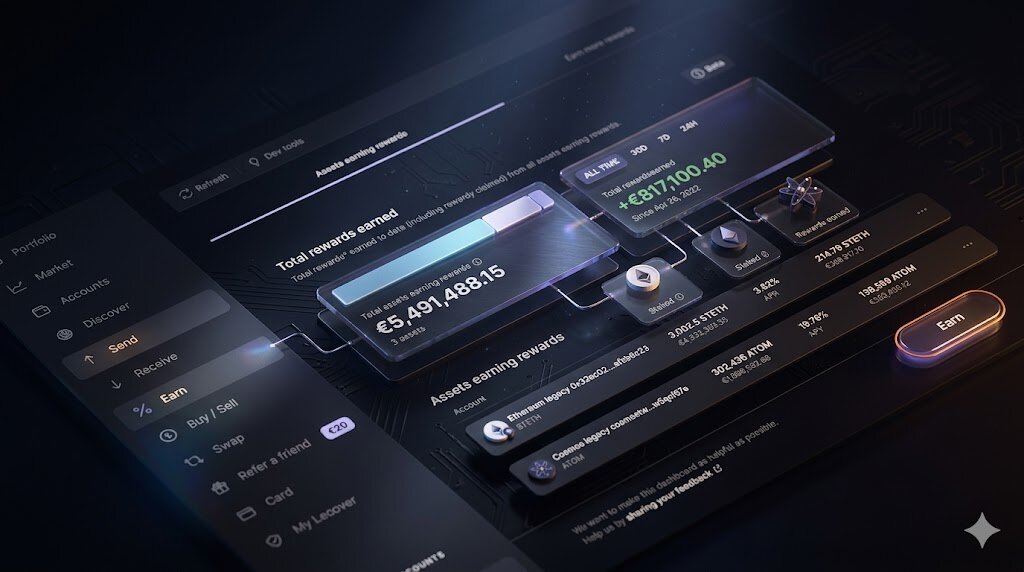
Ledger Live multi-asset operations cover send and receive activities across the various supported blockchains. Understanding multi-asset operations clarifies how the application handles diverse crypto holdings.
Cross-Blockchain Operation Consistency
Cross-blockchain operation consistency in Ledger Live ensures send and receive workflows feel familiar across different blockchains. The Ledger Live application uses similar interface patterns for Bitcoin operations, Ethereum operations, Solana operations, and various other
blockchain operations, with the consistency reducing the cognitive load that working across many blockchains would otherwise create. Blockchain-specific aspects like fee mechanics, address formats, and various other technical details appear through their natural interfaces while maintaining overall workflow consistency. Users running operations across multiple blockchains benefit from the consistency since they don't need to learn entirely different workflows for each blockchain. The Ledger Live multi-asset consistency represents thoughtful interface design that accommodates the underlying technical differences while providing unified user experience.
Token Transfer Specifics
Token transfer specifics in Ledger Live multi-asset operations handle ERC-20 tokens, SPL tokens, and various other token standards. The Ledger Live application supports both native asset transfers and token transfers across the supported blockchains, with the workflows being similar for both transfer types. Token transfers sometimes require slightly more gas than native transfers due to the additional smart contract interaction involved, with the fee implications becoming visible during transaction preparation. Users transferring tokens see token-specific information including the specific token being transferred, available balance in that specific token, and various other token-specific details. The token transfer workflows integrate with the broader send and receive operations rather than being entirely separate flows, with the consistency supporting users who work across both native assets and tokens.
Multi-Account Operation Coordination
Multi-account operation coordination in Ledger Live supports users running multiple accounts that might engage in send and receive activities. The Ledger Live application lets users select which specific account to send from when they have multiple accounts on the same blockchain, with the account selection determining which addresses and balances are involved in the transaction. Receive operations similarly let users specify which account should receive incoming transactions, with the address generation reflecting the selected account. Multi-account coordination matters particularly for users who maintain separate accounts for different purposes, with the explicit account selection ensuring transactions affect the intended account rather than defaulting to whatever account happens to be primary. The coordination features support the multi-account organizational patterns that serious crypto users typically develop.
The major Ledger Live send and receive workflow steps include the following:
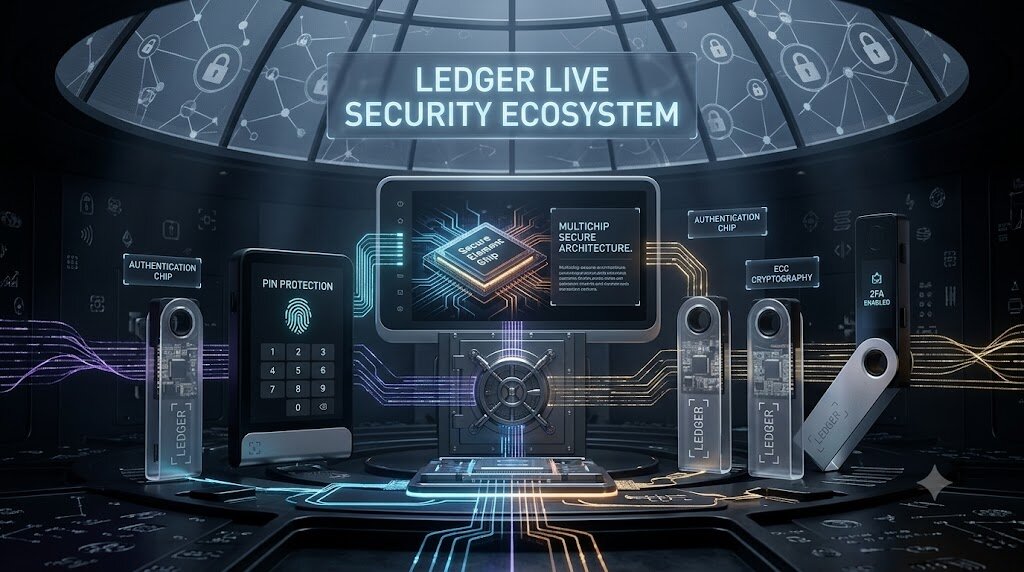
1. Selecting the account to send from or receive into 2. Entering recipient address through chosen input method 3. Specifying transfer amount in native or fiat units 4. Configuring network fee priority based on urgency 5. Reviewing transaction summary on application interface 6. Verifying transaction details on hardware device screen 7. Authorizing signature through device physical buttons 8. Monitoring transaction confirmation through application
Ledger Live Operation Considerations
Ledger Live operation considerations affect how users approach their send and receive activities. Understanding considerations clarifies practical operational aspects.
Confirmation Timing Awareness
Confirmation timing awareness in Ledger Live operations involves understanding how long transactions actually take to settle. The Ledger Live application shows transactions as pending immediately after broadcasting, with confirmation status updating as network confirmations accumulate. Different blockchains have very different confirmation characteristics, with some networks confirming within seconds while others take minutes or longer for comparable confidence. Users sending crypto for time-sensitive purposes consider confirmation timing when choosing fee priorities, with higher fees producing faster confirmation on networks with fee-based priority systems. The Ledger Live confirmation displays help users track exactly where their transactions stand in the confirmation process, providing visibility that supports time-sensitive operational planning.
Network Conditions Impact
Network conditions impact in Ledger Live operations affects both timing and costs of transactions. The Ledger Live send operations during network congestion typically require higher fees for reasonable confirmation timing, with the increased competition for block space driving fee market dynamics. Network conditions vary throughout days and weeks, with predictable patterns including business hours congestion and various other timing factors that affect optimal transaction execution. Users with flexibility about when transactions execute sometimes time their non-urgent operations for lower-congestion periods, capturing meaningful fee savings through timing alone. The Ledger Live application
displays current network conditions through its fee suggestions, helping users make informed decisions about transaction priority and timing across various conditions they encounter.
Operational Error Recovery
Operational error recovery in Ledger Live send operations addresses what happens when things don't go as expected. The Ledger Live application catches many potential errors before they become problems, including insufficient balance, invalid addresses, and various other issues that surface during transaction preparation. Sent transactions that fail to confirm sometimes happen due to fee market changes after submission, with users sometimes resending at higher fees to clear stuck transactions. The Ledger Live operations don't easily reverse genuinely failed sends since blockchain transactions are typically irreversible once they confirm, with prevention through careful verification being more practical than recovery after problems. Users developing operational practices that emphasize verification produce better outcomes than relying on error recovery for mistakes that careful initial workflows would have prevented.
Common Ledger Live send and receive characteristics across the broader application include:
- Multi-step preparation with summary review before signing
- Hardware device confirmation for all send transactions
- Fresh address generation on supporting blockchains
- QR code and text format address display
- Cross-blockchain consistency in operational patterns
- Token transfer support alongside native asset transfers
- Multi-account selection for both sending and receiving
- Network fee configuration with multiple tier options
- Address verification through hardware device display
- Transaction confirmation monitoring through application